
Is Taking Weight Loss Medication Cheating?
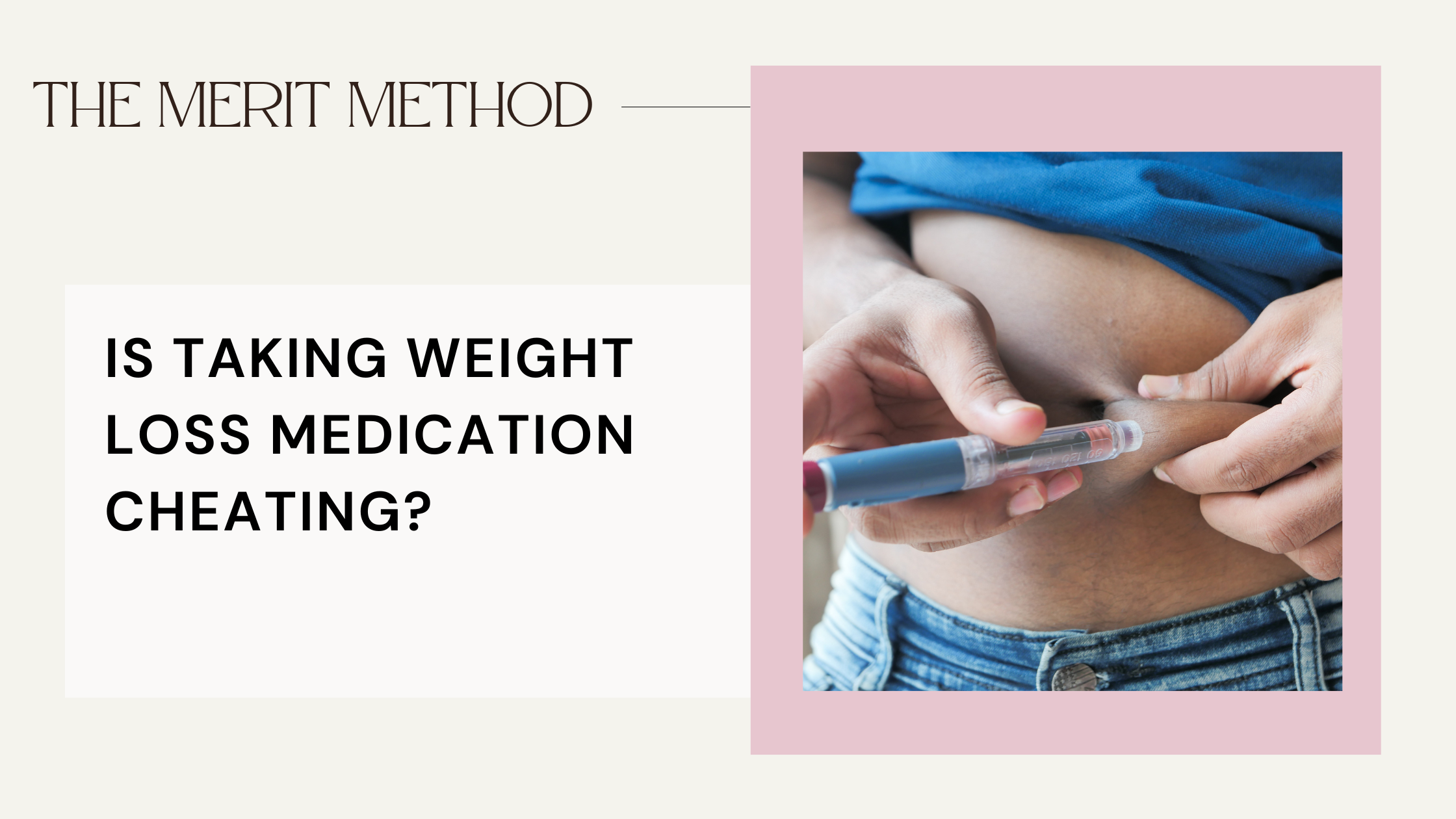
Quick answer: No. Weight loss medication doesn't do the work for you — you still have to eat well, move your body, and build habits. It simply helps quiet the constant hunger that makes those habits so difficult to sustain in the first place.
In this article:
Why We Don't Call This Cheating
What's Really Happening in Your Body
The Medication Doesn't Do the Work — You Still Do
Frequently Asked Questions
Talk to a Nurse — Free Consultation
Why We Don't Call This Cheating
If taking a weight loss medication is cheating, then what exactly are you cheating at?
We don't tell people they're cheating when they wear glasses. We don't tell people they're cheating when they take blood pressure medication or use insulin. So why does the conversation change when it comes to weight loss?
We think it's because for years, society has taught us that weight loss should be hard — that if you're struggling, you simply need more discipline, more willpower, more self-control.
What's Really Happening in Your Body
Here's what we've learned after helping hundreds of women lose weight: most people aren't failing because they're lazy. They're struggling because they're battling hunger, cravings, metabolism changes, hormones, stress, and poor sleep — all at once, often without realizing it.
That's not a character flaw. That's biology working against them.
The Medication Doesn't Do the Work — You Still Do
Weight loss medications don't replace effort. You still have to make better choices. You still have to prioritize protein. You still have to move your body. You still have to build habits that last.
What the medication does is turn down the volume on the constant hunger that makes those habits so difficult to maintain in the first place. It removes one of the biggest obstacles — it doesn't remove the work.
If you've been feeling guilty about considering medication, ask yourself this: if there was a tool that could make your journey easier and improve your health, why wouldn't you use it?
Where the "Cheating" Mindset Comes From
It's worth understanding why this word attaches itself so strongly to weight loss specifically. We don't apply the same standard anywhere else in medicine. Nobody calls a knee replacement cheating because the person didn't simply "try harder" to walk without pain. Nobody calls chemotherapy cheating because the patient didn't fight the cancer with willpower alone.
Weight has historically been treated differently — as a moral issue rather than a medical one. That framing has done real damage, convincing generations of women that needing support means they've somehow failed, when in reality, biology, genetics, hormones, and metabolism all play a significant role in weight that has nothing to do with character or effort. Recognizing this distinction is often the first step toward letting go of guilt that was never deserved in the first place.
Frequently Asked Questions
Doesn't using medication mean I'm not really losing weight on my own? The weight loss itself still comes from your choices around food, movement, and consistency. The medication simply makes those choices easier to sustain by reducing constant hunger and food noise.
Is it different from "natural" weight loss? The end result — improved health, lower weight, better metabolic markers — works the same way regardless of the tools used to get there. The path doesn't determine the legitimacy of the outcome.
Will I have to explain my decision to other people? No. Your health decisions are between you and your provider.
What if I feel like I should be able to do this without help? Most women already know what healthy eating, hydration, and movement look like — that's rarely the missing piece. The missing piece is often fighting biology that medication can help address.
Does using medication mean my results "don't count" the same way? No. The health improvements — better blood pressure, more energy, improved mobility, lower disease risk — are real and meaningful regardless of which tools helped get you there.
Will people who knew me before assume I took the "easy way out"? Some people may have outdated views on this, but that says more about their understanding of obesity medicine than about your choices. You're not responsible for educating everyone, and you don't owe anyone an explanation for prioritizing your health.
Talk to a Nurse — Free Consultation
If you're in Kansas, Kansas City, or Topeka and you're not sure whether you're getting enough protein — or you're doing everything you can think of and still feel stuck — we'd love to talk with you.
Our Registered Nurses offer a free phone consultation to talk through what's going on with your body, answer your questions, and help you figure out next steps. Our program is run by Board Certified Nurse Practitioners who specialize in obesity and weight management.
No pressure. No commitment. Just honest answers and a plan built for you.